Actually...I read these
Earlier this month I was in a meeting with an Italian children’s books publisher and the topic of middle-grade books cropped up. She wanted to know what books I knew. Hmm. Time for some name-dropping: Philip Reeve, Terry Pratchett, Phillip Pullman, Lemony Snicket, Rick Riordan, Holly Black, and so on. I had to mention The Baby-Sitters Club and The Saddle Club and Sweet Valley High, which was followed by some light-hearted ridicule. The conversation drifted down another trail and that was all was said about middle-grade books.
But on the way back home, as I was replaying the day in my head, as you do on the train, there was a feeling of wrongness that I couldn’t shake off. And it was this: they were books I had studied, not books I actually read as a pre-teen. To my shock and horror, I had mixed them up.
I tried to untangle this memory web. What were the books I actually read as a kid? Today I want to remember these middle-grade books that were my friends at a time when I needed some. They were the books that formed me as a reader. It was with these books that I began to carve out the difference between books my mom chose for me and those I chose for myself. I wouldn't say all of them are my favourite. But it's true that because of these books, I discovered my own taste–what I liked and didn't like.
So here they are. The books that made me me.
 |

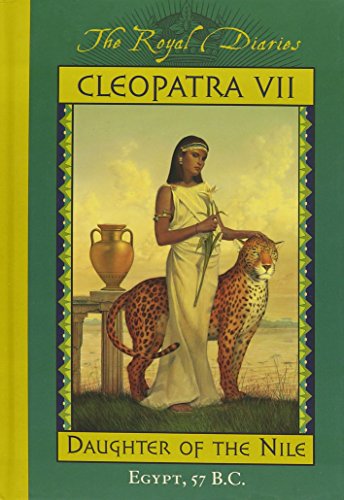
The three featured above are my in-between books. I say so because they were 'kinda' chosen by adults around me but 'kinda' by me as well. Matilda and Jacqueline Wilson's books were highly recommended by librarians and I could tell they were popular based on how they were displayed in the bookstore. But I also liked them for my own reasons and I kept going back to them, all the while feeling they were becoming too 'childish' for me. As for the Royal Diaries. My sister and I got lured in by the portraits on the covers, the hardcover matte finish, and the gold edge gilt that made the books seem historical if you know what I mean.
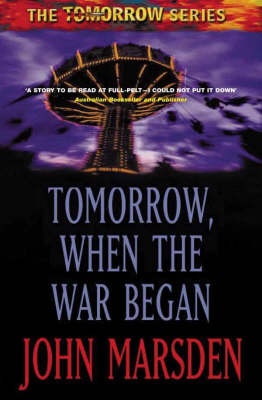 |

I have to talk about LOTR and John Marsden's Tomorrow series together because they were the books that made me feel like I wasn't reading as a kid any longer. It wasn't as if I didn't read tough books as a kid. But it was when I read these specifically that I saw adults who didn't have the answers and, more importantly, there can be dangers greater than mean teachers and bullies.

Ah. The Narnia books. These were the ones that made me realise popular books weren't necessarily good. They were just...read and recommended by a lot of people.

 |
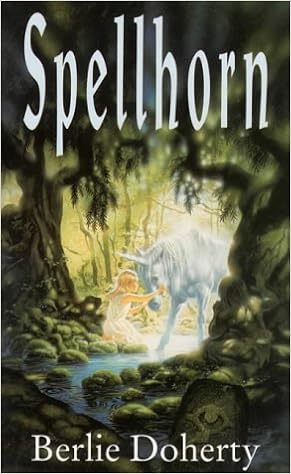
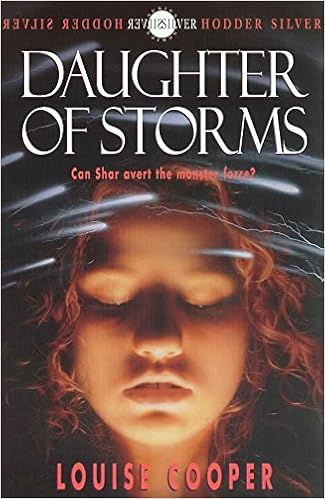

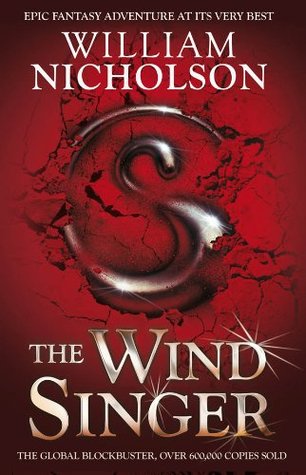
These six books are utterly pivotal. They are the reason I read fantasy or more pointedly why I am the reader that I am today. Spellhorn and The Wind Singer deserve special mention. I felt like a different person after reading those books and there is no other way of describing them other than to say they were magical. In retrospect, I don't think they were the best books I've ever read. But they were arresting and fantastical in nature, explaining the ineffable to me in ways I didn't necessarily understand but felt deep within that they made sense.
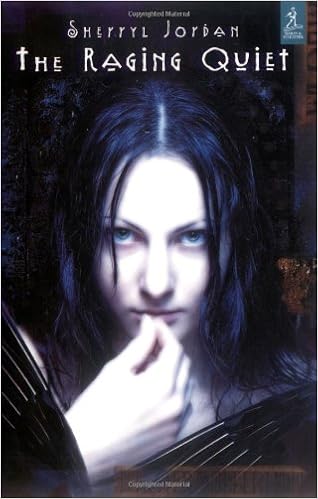


Fantasy books did the work on the level of the unconscious. These books, however, operated differently. They showed me how people worked: why people say things they don't mean, what being a good friend is about, why being kind matters more than being right, and why it's important to be yourself.
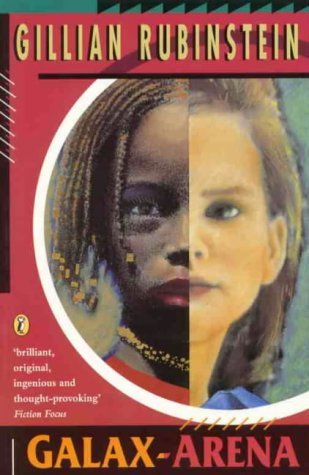
There's something fitting about ending this post on middle-grade books with my first science fiction novel that signalled a more...subversive reading experience from here onwards. At my Intermediate school, we had scheduled reading time and if we didn't have books to read or if we'd finished the one we borrowed from the school library, we could go to the front where they were books laid out on a desk. I can't remember why I picked this one up. But I do remember it was revolutionary. This was the book that showed me what systemic oppression, inequality and exploitation looked like. I was furious with the scientists for getting away with it, some of the children for siding with their oppressors, and finally, with the way change couldn't be brought about. Now, who says you have to read historical books to learn about social injustice? Science fiction is more radical than people take them for.

I was very distressed to find that we disagree about Narnia (but then I am the kind of person who really did read--and absurdly love--The Baby-Sitters Club,The Saddle Club, and Sweet Valley Twins ;), but then I saw you included Anne-with-an-E and all is well again. We can be kindred spirits on oppostie ends of the library, I think <3 Did you read other L.M. Montgomery's? I am always interested in folks' reaction to her books beyond Anne.
ReplyDeleteThe Narnia books...well. Let's just put that away for now, shall we? As for Montgomery's other books, I have read those! Some were delightful if I recall. I never told you this, but I used to be part of a L.M. Montgomery book club and I think you would've fitted right in. It was mostly due to the book club that I got into her other books. I especially liked the one where the heroine thought she was dying and so became brave enough to do all the things she didn't dare to do. Which one was that?
Delete